





Travel tips for a great stay in Rome:
- ✈️ Book your flight to Rome (best prices)
- 🚗 Car hire in Rome: the best prices (rated 4.6 on Trustpilot)
- 🚊 Book your train tickets to Rome
- 🚌Fiumicino Airport (FCO) transfer / Rome
- 🏨 Best hotels in Rome (most appreciated by travellers)
- 🏖️See all the activities to do in Rome
Your tickets with free cancellation. We strongly recommend booking in advance.
- Pantheon fast-track ticket with audio guide
- Fast-track ticket + guide: Colosseum, Roman Forum and Palatine Hill
- Vatican Museums + Sistine Chapel admission ticket
- St Peter's Basilica and Dome tour with audio guide
- Crypts, catacombs and bone chapel tour with transfer
- Castel Sant'Angelo admission ticket
- Borghese Gallery admission tickets
- Leonardo da Vinci exhibition ticket
- Tiber cruise in Rome
- No. 1 Cooking class: Italian pasta and cocktails
Follow all our adventures on Instagram by clicking here 🩵
What to see in Rome in 3 days: Top 12 must-sees
Save money and time with the Roma Pass: the official 72-hour city card with transport. This card includes:
- a fast-track ticket to 1 or 2 sites,
- free access to public transport in Rome,
- discounts on many activities.
Now let's look at our must-sees for a long 3-day weekend:
1. The Colosseum, the Roman Forum and Palatine Hill
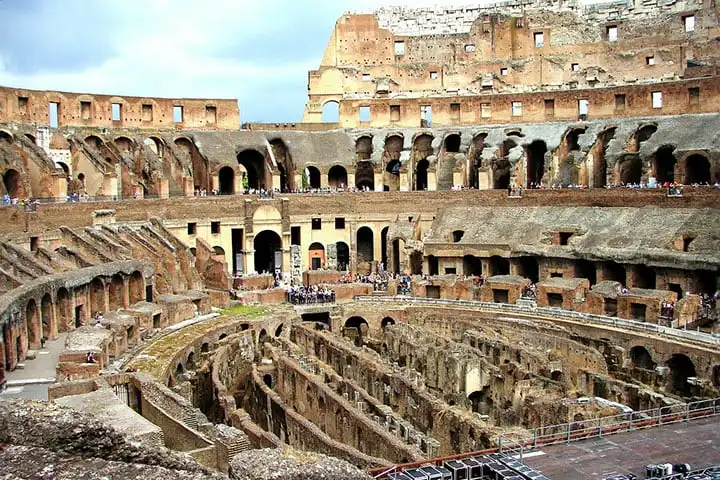
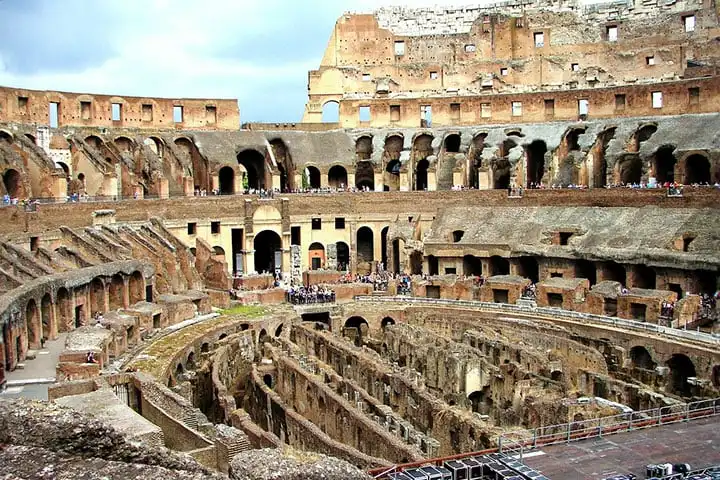
Coming to Rome without visiting this ancient amphitheatre is like coming to Paris without seeing the Eiffel Tower. A true symbol of the Roman Empire, the Colosseum (also called the Flavian Amphitheatre) was inaugurated in AD 80 by Emperor Titus, who halted the works on the top floor. Today in ruins, the Colosseum is one of the most visited historic monuments in Italy with 6 million visitors a year.
What makes it special:
- its famous oval ring shape, divided into five levels (the closer you were to the arena, the higher your social rank).
- The Colosseum is 188 metres long, 156 metres wide and 57 metres high.
- It is made of brick and covered in travertine
- Its capacity was 50,000 people
- Fights between gladiators or wild animals were held here, as well as "naumachiae".
- It has been one of the New Seven Wonders of the World since 2007.
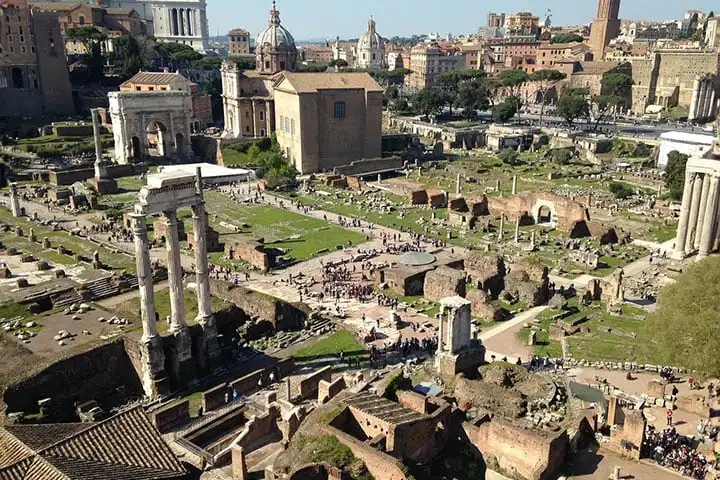
Located between the Capitoline Hill and the Colosseum, you arrive at the Roman Forum where you can explore the ruins of the temples and public squares of ancient times. It is the first archaeological site in Rome. Next to the Forum, you can admire Palatine Hill, the hill reputed to be the place where Rome was founded.
2. Castel Sant'Angelo
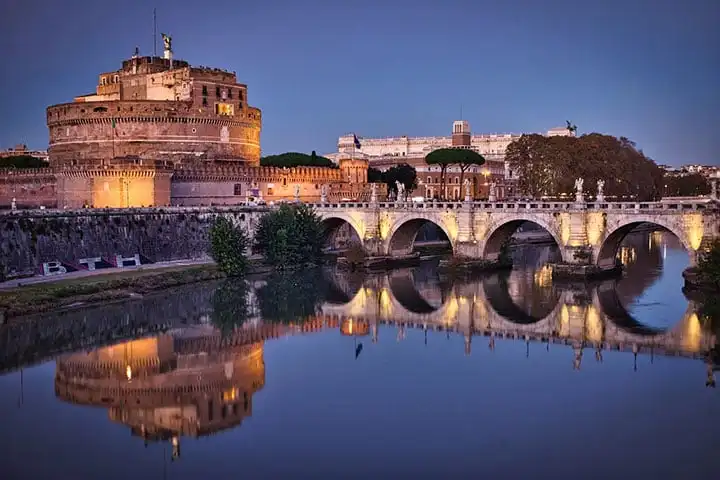
Not far from the Colosseum is Castel Sant'Angelo, one of the most emblematic fortresses, located on the banks of the Tiber and also known as Hadrian's Mausoleum. The castle is linked to the Vatican by the 800 m long Passetto di Borgo, a security passage used by the Pope, but also by Clement VII de' Medici. The Castel Sant'Angelo was built between AD 123 and 135 and served as a prison for the Papal State, but also as a colossal mausoleum and private residence.
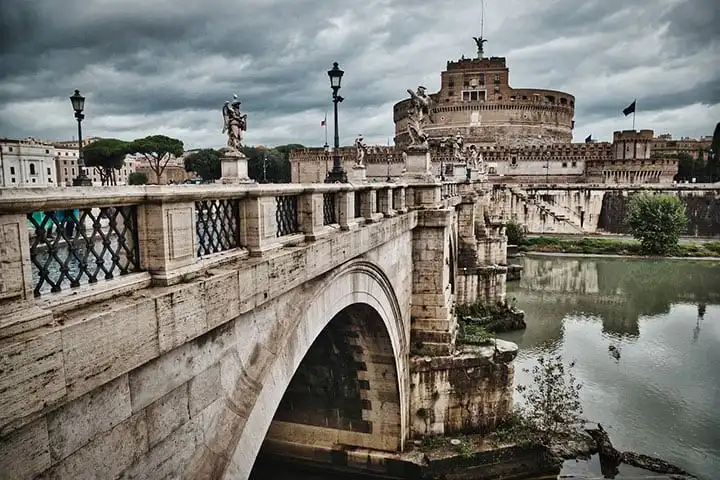
During these 3 days in Rome, don't miss this sumptuous visit where you can admire a breathtaking view of the city, as well as:
- Hadrian's mausoleum on the 1st floor (the remains of Hadrian and his family are here, as well as the ashes of the successive emperors)
- the Passage of Boniface IX on the 2nd floor,
- the Sala del Tesoro (the library),
- the Courtyard of the Angel with the magnificent statue of the Archangel Michael,
- the spiral staircase,
- the terrace of the angels with the bell "of the condemned" and "of mercy", since it used to ring out for executions,
- the papal apartments on the 4th floor.
3. St Peter's Basilica
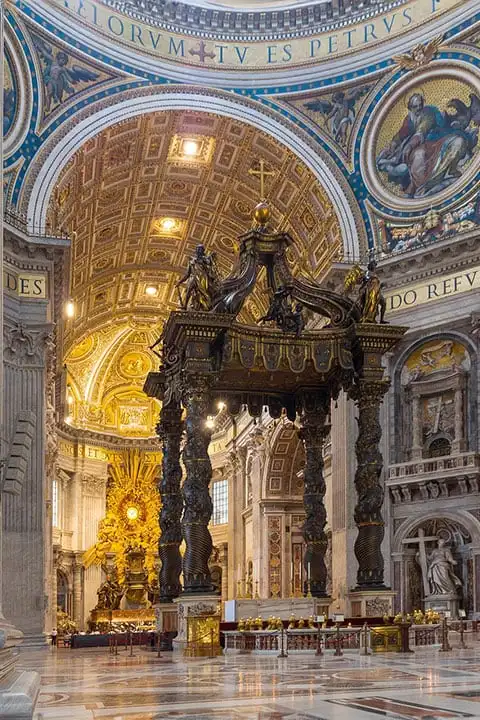
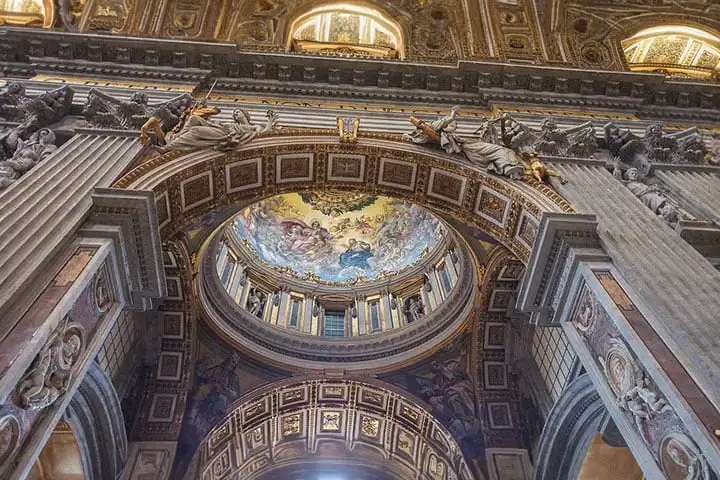
Located in the Vatican, in the west of the city, it is the largest basilica in the world with a capacity of more than 60,000 people. A masterpiece of Renaissance architecture to see if you're wondering what to visit in Rome in 3 days. Note that access to St Peter's Basilica is free, but you'll have to pay if you want to visit the dome.
Designed by famous architects such as Michelangelo, Bramante and Bernini, its dome is one of the most recognisable icons of Rome. You can see:
- Michelangelo's Pietà, the famous sculpture by Michelangelo depicting the Virgin Mary holding the body of Christ after the crucifixion.
- St Peter's Square with its 284 columns and 140 statues of saints.
- The tomb of the apostle St Peter
- The Dome (the cupola) with its incredible view
- The Vatican Grottoes (crypts housing the tombs of many popes, including that of John Paul II)
- The Chair of St Peter (Cattedra di San Pietro) located at the back of the basilica.
- Papal audiences depending on the time/day of your visit
4. The Vatican Museums and the Sistine Chapel
Explore centuries of art, with the Sistine Chapel as the highlight where you can admire Michelangelo's frescoes, the best known being: The Creation of Adam and The Last Judgement. Note that the Vatican Museums house one of the largest art collections in the world, from Roman and Egyptian antiquity through to the Renaissance. During this visit, don't miss:
- Raphael's Rooms (in Italian, Stanze di Raffaello), with the famous fresco "The School of Athens", a major example of the Renaissance.
- the Pio-Clementino Museum with its collection of Greek and Roman sculptures, including the Laocoön and the Apollo Belvedere.
- the Gallery of Maps
- the Egyptian Museum
- the Borgia Apartments, one of the most famous families of the Renaissance era.
- The Vatican Pinacoteca housing masterpieces by masters such as Leonardo da Vinci, Caravaggio, Giotto and Raphael.
- The Sistine Chapel, the emblematic place where the conclave takes place, i.e. the process by which the cardinals select the new pope, as well as other important ceremonies.
- Visiting Turin in 1 day: what to see? what to do?
- Visiting Venice in 1 day: 7 must-sees not to be missed
- Visiting the Algarve in 7 days: what to do? what to see?
- What to do in Lisbon in 3 days? Our Top 10
- Seville: what to do? what to see? The essentials for your holiday
- Alcazar of Seville visit: tickets and practical info
- What to do in Ibiza in 3 days? Our best addresses
- Menorca: what to do? what to see? The essentials for your holiday
5. The Pantheon
This ancient building, constructed in 27 BC and dedicated to the Roman gods, is one of the best preserved. You can admire its monumental dome with a diameter of 43.3 metres, a true feat of engineering. The oculus at the top (a hole 9 metres in diameter in the centre of the dome) symbolises the link between heaven and earth. Here lie the tombs of the Italian kings Victor Emmanuel II and Umberto I, as well as that of the famous artist Raphael.
Buy a Pantheon Rome ticket here
6. Piazza Venezia
Located between Via del Corso and Via dei Fori Imperiali, Piazza Venezia is a central crossroads in Rome with an impressive view of the Monument to Victor Emmanuel II (Altare della Patria). This monument, completed in 1911, celebrates the unity of Italy and houses the Tomb of the Unknown Soldier. This famous square takes its name from Palazzo Venezia, the former seat of the Venetian embassy which later became the centre of the Fascist government under Mussolini. Note that Piazza Venezia also has Palazzo Bonaparte, where Napoleon's mother lived.
7. The Trevi Fountain
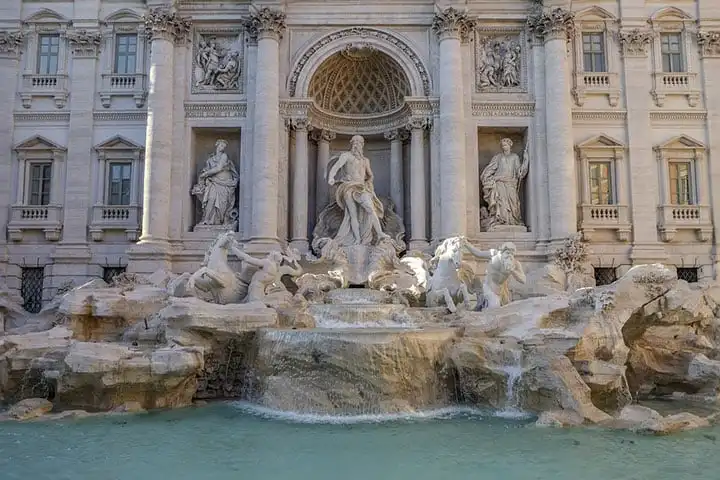
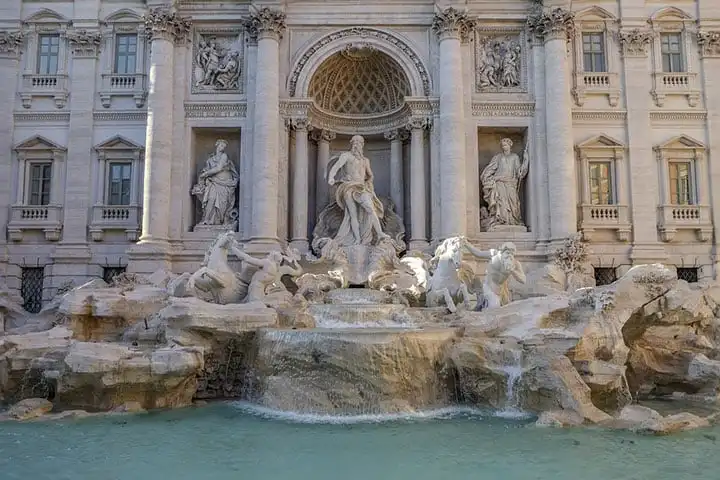
A famous Baroque fountain in Rome, the Trevi Fountain was designed by Bernini and completed by Nicola Salvi between 1732 and 1762. Nearly 30 metres high, it stands against Palazzo Poli and features Neptune on his chariot drawn by winged horses, symbolising the changing tides. It owes its fame to emblematic films such as La Dolce Vita.
What is the legend of the Trevi Fountain? According to tradition, throwing in one coin guarantees a return to Rome, while several coins promise love or marriage. The coins collected are donated to charities for poor families.
8. Piazza Navona
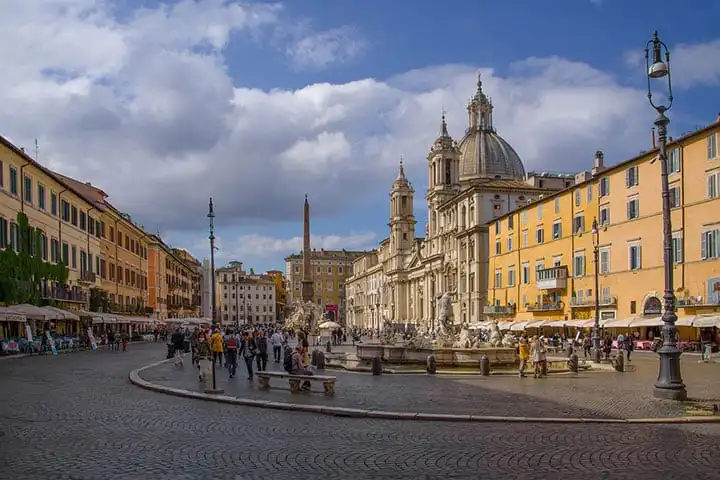
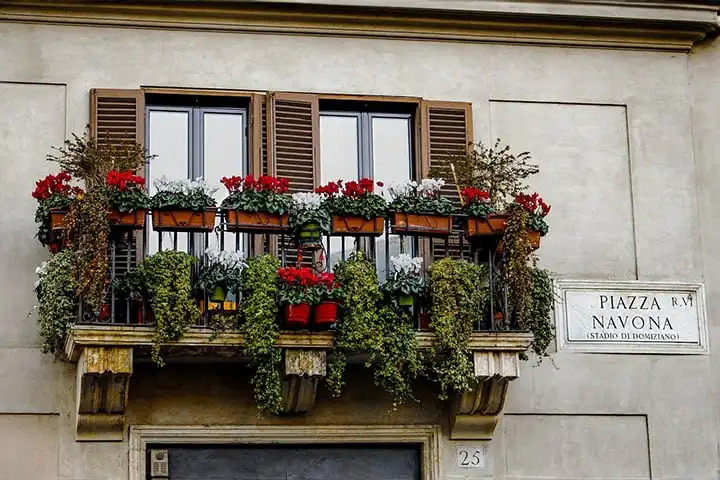
Piazza Navona is undoubtedly one of the most beautiful squares in Rome. Perfect for sitting down and having a spritz. At the end of the year, Piazza Navona hosts the Christmas market. Built in AD 86 by Emperor Domitian as an athletics stadium, the Circus Agonalis, Piazza Navona could hold 20,000 spectators. After the fall of the Roman Empire, houses replaced the stands, while the elongated shape of the stadium has remained unchanged. In the 17th century, some emblematic monuments were added, such as:
- the Fontana dei Quattro Fiumi designed by Bernini, representing four great rivers,
- the Fontana del Moro,
- the Fontana del Nettuno,
- as well as the church of Sant'Agnese in Agone.
Beneath the square, the excavations of the Stadio di Domiziano can be visited. Not far away is the Museo di Roma, in Palazzo Braschi, which presents the history of the city.
9. The Spanish Steps (Piazza di Spagna)
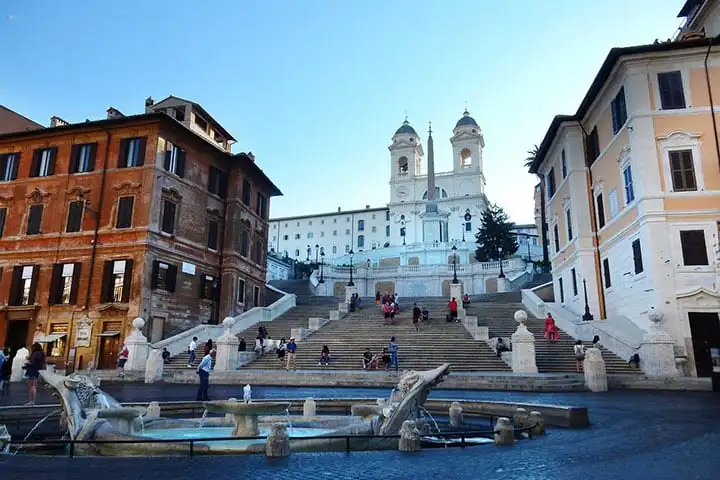
Among our TOP "what to see in Rome in 3 days" activities, you'll find this emblematic square of Rome. So what is there to do or see once you're there?
- Climb the 135 steps up to Pincio hill to visit the French church, Trinità dei Monti and enjoy a magnificent view of the square and its surroundings. Inside, you can admire a large single nave and six decorated chapels, including the famous fresco "Deposition" by Daniele da Volterra, a pupil of Michelangelo.
- Admire the Barcaccia Fountain, shaped like a boat, designed by Pietro Bernini.
- Stroll along Via dei Condotti, the main thoroughfare known for its luxury shops.
- Discover the house of John Keats. It is to the right of the steps, and it is here that the English Romantic poet lived and died.
- Soak up the lively atmosphere of the square. Often enlivened by street artists, you can watch local life and enjoy the historic cafés, such as the famous Antico Caffè Greco
10. The Trastevere district, the liveliest in Rome
If you're wondering which districts to visit in Rome during 3 days or which is the nicest district in Rome? we'll answer without the slightest hesitation: the Trastevere district, and you'll understand why.
Stroll through this bohemian district at the end of the day, one of the most picturesque and authentic in Rome. Located on the west bank of the Tiber, it offers a unique mix of medieval charm and lively local life. It's no wonder that several famous films were shot here for its historic charm. Among the best known, you'll find "The Great Beauty" (2013) by Paolo Sorrentino, "Eat Pray Love" (2010) with Julia Roberts and "Fantozzi" (1975), a famous Italian comedy.
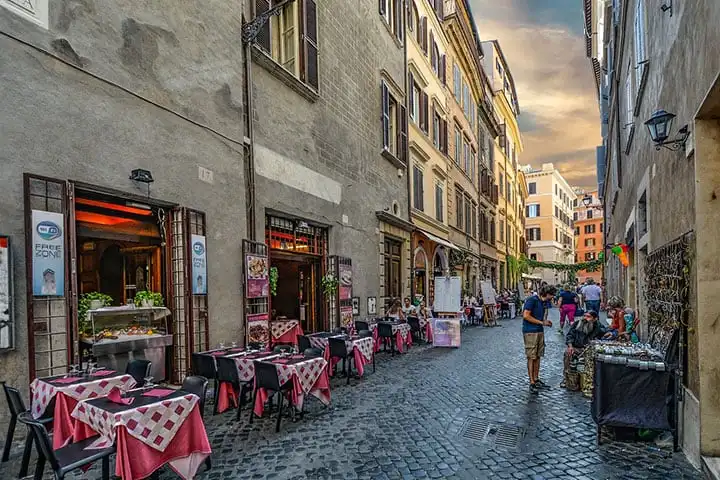
So what is there to do in Trastevere? During this 3-day stay in Rome, you can:
- visit the Basilica of Santa Maria in Trastevere, one of the oldest churches in Rome, known for its spectacular Byzantine mosaics.
- eat in a trattoria to taste traditional Roman cuisine (go for the Bucatini all'amatriciana)
- soak up the nightlife with its festive and friendly atmosphere
- climb the Janiculum hill to admire the panoramic view, located just above Trastevere.
11. The Villa Borghese and its gallery
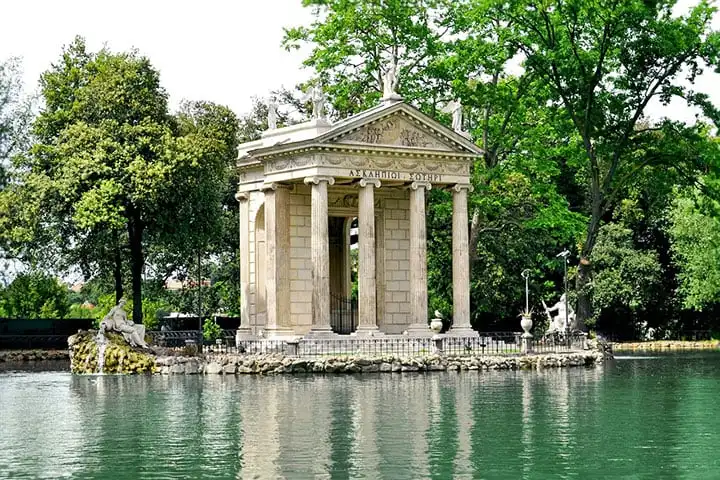
Far from the hustle and bustle of the city, stroll through this large park and visit the Borghese Gallery, a true jewel in the heart of Rome housing an impressive art collection. Find masterpieces by Bernini such as Apollo and Daphne, Caravaggio and Raphael. After the visit, a walk in the gardens offers splendid views of Rome, perfect for a cultural and natural escape in the middle of the city.
12. Enjoy an Italian artisan ice cream
Rome is renowned for its authentic gelaterie. A chance for you to take a gourmet break while window-shopping on Via del Corso.
Here are a few good addresses for lovers of Italian ice cream:
- Al Settimo Gelo
- Otaleg!
- Gelateria del Teatro
- Günther
- Giolitti
- Fiordiluna
Visiting Rome on foot: best itinerary
How to visit Rome on foot? Here is a map to help you find your way around the main tourist sites not to be missed.
3 days in Rome, where to start?
Here is a tailor-made programme to visit Rome in 3 days with the essentials:
Day 1: visit the historic centre of Rome
Start this first day with the famous Trevi Fountain, where you can finally throw a coin to ensure your return to the capital. Then head to the majestic Pantheon, a masterpiece of Roman architecture.
After a lunch break in a tasty trattoria to live la dolce vita, go and explore Piazza di Spagna with its famous steps leading to the church of Trinità dei Monti.
End the day with a refreshing walk in the magnificent gardens of the Villa Borghese, where you can enjoy nature and visit the Borghese Gallery.
To close the day in style, go for dinner in the charming district of Trastevere, where you can wander through the picturesque alleys. Authentic atmosphere guaranteed! You'll feel like Julia Roberts in the film Eat Pray Love.
Day 2: Discover Roman Antiquity
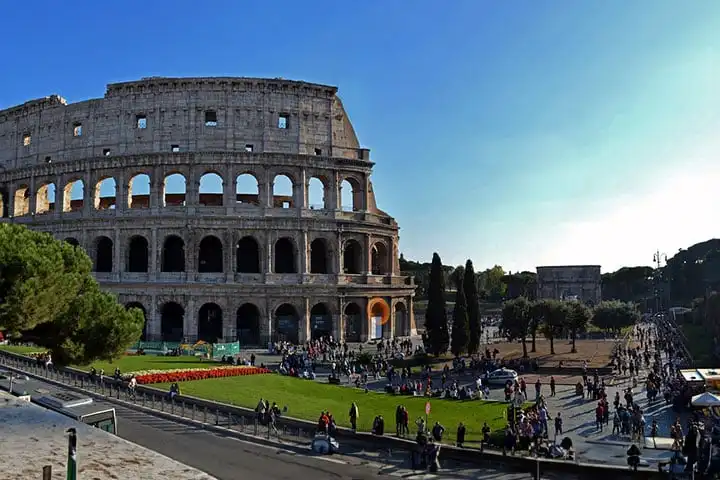
Immerse yourself in Roman history with a visit to the Colosseum, the emblematic symbol of ancient Rome. Continue this visit by exploring the ruins of the Roman Forum, which was once the political and social centre of the empire. After that, a lunch break is a must! A chance for you to taste Rome's culinary specialities: pasta cacio e pepe, Saltimbocca alla Romana or Carciofi alla Romana.
After an espresso, continue the day by visiting the Capitoline Museums to discover archaeological treasures and works of art tracing the history of Rome.
Day 3: Explore the Vatican and the Sistine Chapel
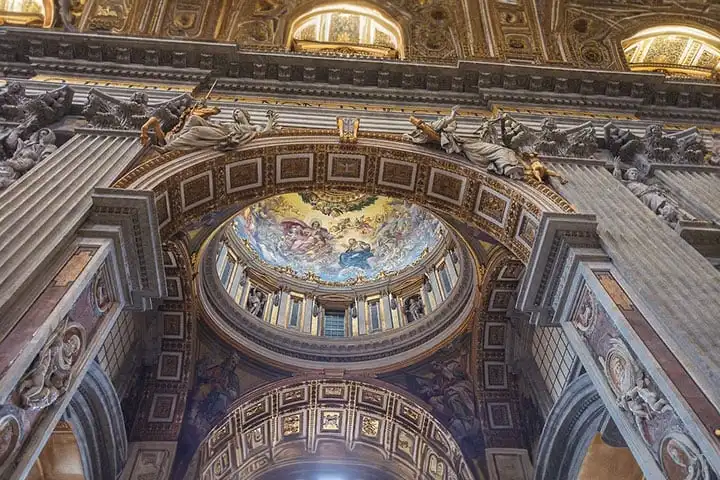
For this third day, we advise you to visit the Vatican Museums as soon as they open, as well as the famous Sistine Chapel. Then you can go and admire the majestic St Peter's Basilica, the spiritual heart of the Vatican. If you have a little time, take the opportunity to discover the surroundings with a visit to Castel Sant'Angelo.
Where to stay in Rome? The best neighbourhoods
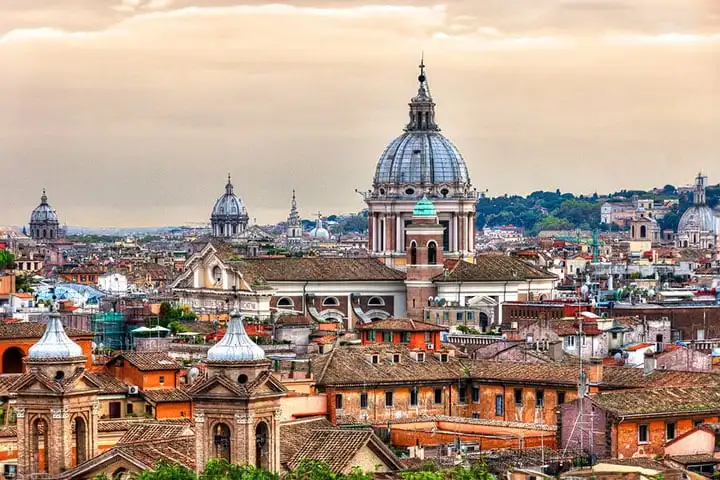
The Centro Storico
- Who is it for? For those who want to be close to the main attractions such as the Trevi Fountain, the Pantheon and Piazza Navona.
- We love it for its lively district, but be aware that accommodation is often more expensive.
- Best hotel in the historic centre of Rome: Hotel Nazionale, near the Pantheon, rated 9.0 Fabulous on Booking.com and 9.8 for its location for visiting Rome
The Trastevere district
- Who is it for? For those who want to live la dolce vita in Rome, while being close to the main tourist sites.
- We love it for its bohemian feel, its little alleys and its Italian trattorias.
- Best hotel in the Trastevere district: Horti 14 Borgo Trastevere Hotel, a green oasis in the middle of Rome, rated 9.1 Fabulous on Booking.com
The Prati
- Who is it for? For those seeking tranquillity. Note that it is well served by public transport, making it a good starting point for exploring the city.
- We love it for its proximity to the Vatican
The Monti
- Who is it for? For young travellers who want to be in the heart of the action with a touch of authenticity.
- We love it for its character and dynamism, but last but not least for its proximity to the Colosseum.
- Best hotel near the Colosseum: Hotel Grifo, a superb hotel rated 9.1 Fabulous on Booking.com and 9.8 for its location for visiting the Colosseum and the historic centre of Rome.
For those looking for budget accommodation, the area around Termini station offers affordable options and good transport connections. It's practical, but a little less charming than other areas.